

Why Suni Williams’ 608 Days in Space and Nine Spacewalks Challenge Everything We Think About Long-Duration Missions
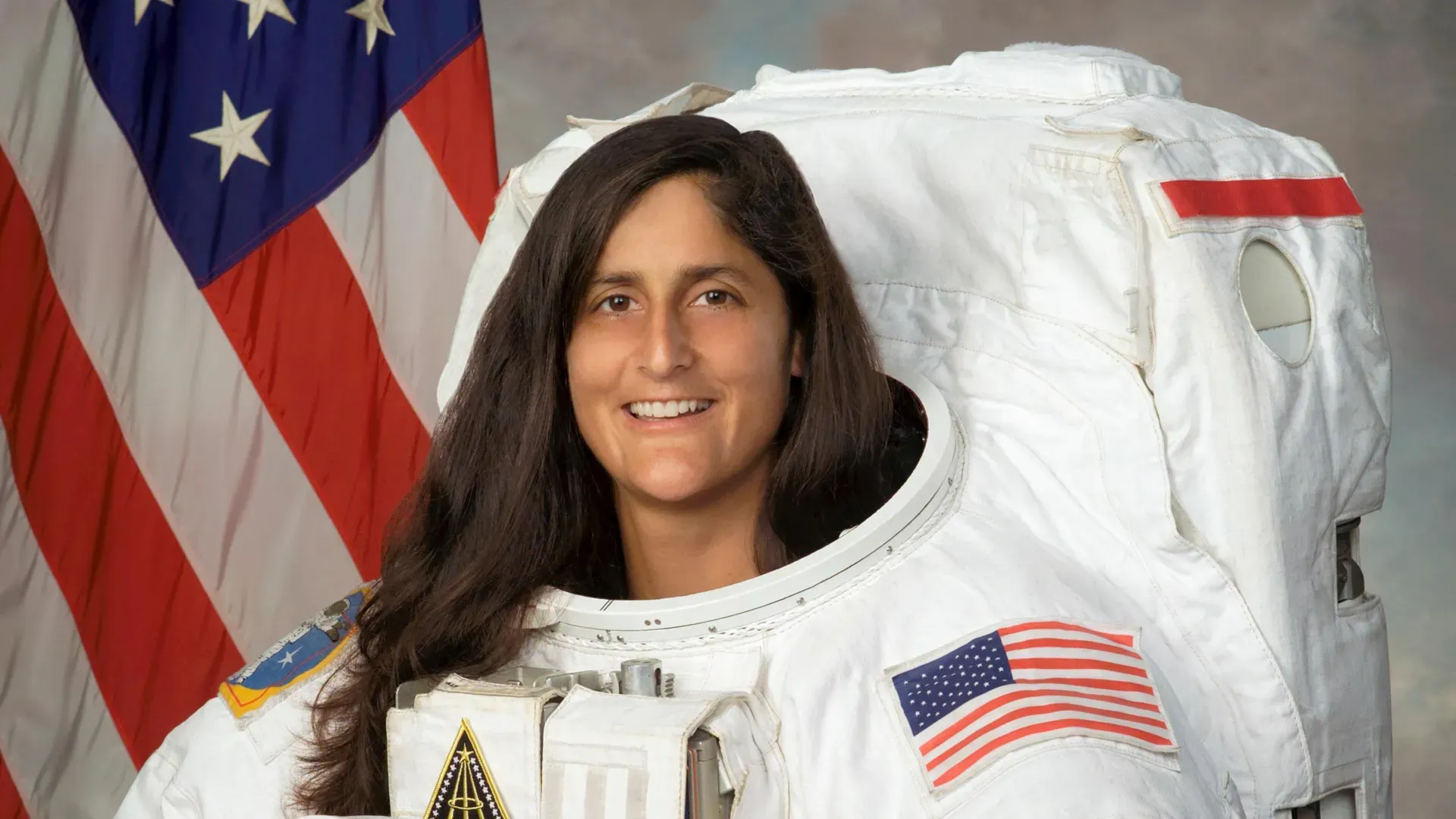
In a dim NASA briefing room, the EVA suit hangs beside the clock as Suni Williams approaches her 608th day in space and a quiet retirement.
The New Script for Deep Space
That quiet retirement isn’t a conclusion so much as a data point in NASA’s pivot toward sustained deep-space missions. Williams’ career—608 days in microgravity and nine spacewalks—rewrites the belief that longer stays degrade performance; instead, the record shows cumulative exposure builds procedural fluency, resilience, and reliability.
Her achievement rests on a simple but powerful mechanism: habit loops formed in training and routine. Before each mission she aligned sleep schedules, EVA readiness drills, and tool catalogs, turning microgravity into a laboratory for reliability. The nine spacewalks she conducted were not stunts but advanced, hands-on work—deploying devices, assembling structures, and solving problems in real time.
In the broader stage, Williams’s example lands as NASA pens its Artemis-era strategy: experienced crews, robust EVA capability, and resilience as core mission risk controls. The public trend #ArtemisEra and renewed interest in long-duration spaceflight align with her path. For more on the Artemis program, see NASA’s Artemis Program Overview.
Her career also underscores the ISS as a long-running lab for human factors: microgravity, isolation, and controlled rhythms of work and sleep. The ScienceDaily summary of her retirement captures the milestone in a wider narrative about human spaceflight: ScienceDaily – NASA Astronaut Suni Williams Retires After 608 Days in Space and Nine Spacewalks.
Beyond the numbers, Williams’s hands-on role in deploying and maintaining space structures—the tools, bolts, and interfaces she managed during EVAs—illustrates why long-duration exposure matters. The Artemis-era workforce will benefit from veterans who can lead complex operations with calm judgment, precise technique, and collaborative poise. For a deeper dive into Williams’s ascent, check NASA’s biography of Suni Williams: NASA Biography: Suni Williams.
From Insight to Action: What It Means for the Next Decade
Today’s findings point to a practical takeaway: extended space experience cultivates adaptability, technical mastery, and resilience that reduce risk on future deep-space missions. The era of sprint missions is ending; the age of sustained, experience-rich exploration has begun, with Artemis as the proving ground for years of cumulative flight time and mission complexity.
- Long exposure builds mastery: 608 days and nine EVAs shaped Williams into a spacecraft operations specialist whose decisions matter under pressure.
- Hands-on leadership is mission-critical: EVA proficiency remains central to deploying and maintaining structures in microgravity.
- Artemis-era readiness: Experience-rich crews are now a core asset for lunar and deep-space exploration.
Related Reading
A new study suggests that Earth’s ancient magnetic field may have imprinted a hidden signature on the Moon’s surface. This discovery helps scientists trace early solar system history and understand how our planet shaped its lunar neighbor.
Read the Full StoryFrom obsession to clarity — one original question every week.
We answer one noisy topic at a time, in full. No daily roundup, no thread bait — just the question, the principles, and the system.