
Arctic Bacteria Found Eating Microplastics—Ocean Clean-Up Begins
In the freezing Arctic, scientists have found bacteria that can break down microplastics—one of Earth’s most persistent pollutants

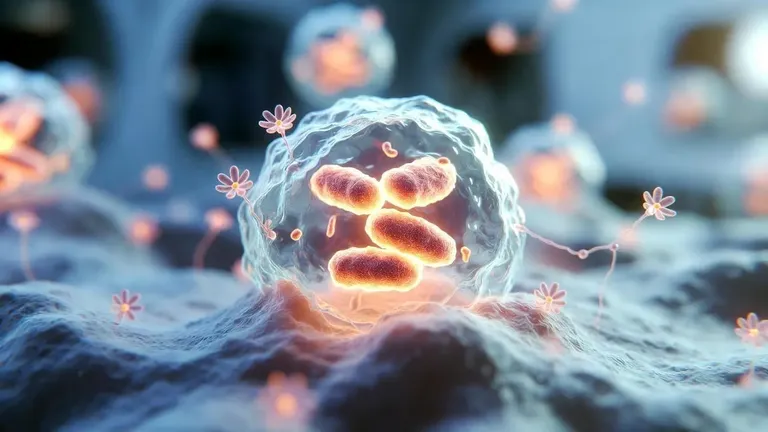
Scientists working in polar regions have isolated bacteria from Arctic soils and waters that can degrade microplastic particles under extreme cold conditions. These psychrophilic microbes were shown in laboratory experiments to metabolize certain plastic fragments and convert them into harmless compounds.
The breakthrough represents one of the first documented cases of microbial breakdown of microplastics at near-freezing temperatures, offering hope for cleaning polluted oceans and remote ecosystems. Previous research identified plastic-eating bacteria in temperate zones, but the Arctic finding suggests biodegradation can happen even in harsh climates.
“These cold-adapted microbes demonstrate that plastic-pollution solutions may exist even in the planet’s most extreme environments,” said , microbiologist at WSL.
The announcement triggered excitement among environmental scientists, many of whom hailed the discovery as a significant step forward in addressing ocean contamination. One plastic-pollution expert called it “a natural tool in our fight against microplastics.”
If harnessed safely and responsibly, these polar microbes could be adapted into large-scale systems to scrub microplastics from oceans, lakes and even remote bases. The idea of nature itself becoming our clean-up partner is both powerful and urgent.
Sources: Linkedin

From obsession to clarity — one original question every week.
We answer one noisy topic at a time, in full. No daily roundup, no thread bait — just the question, the principles, and the system.